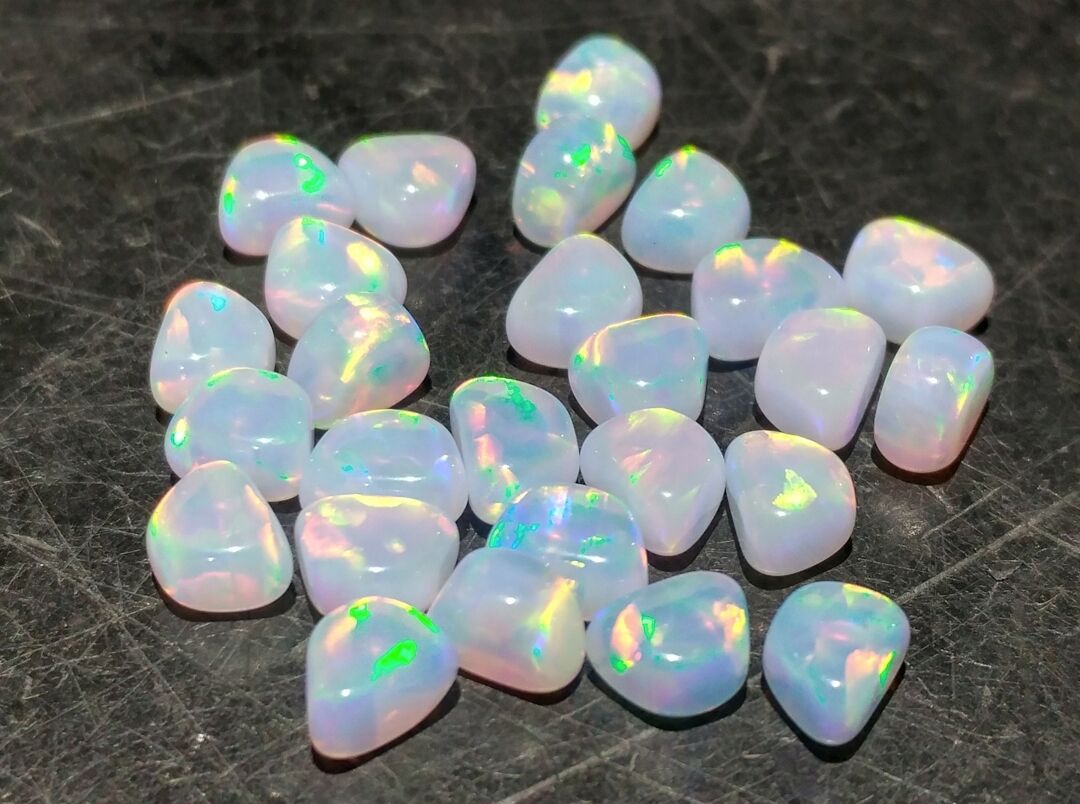
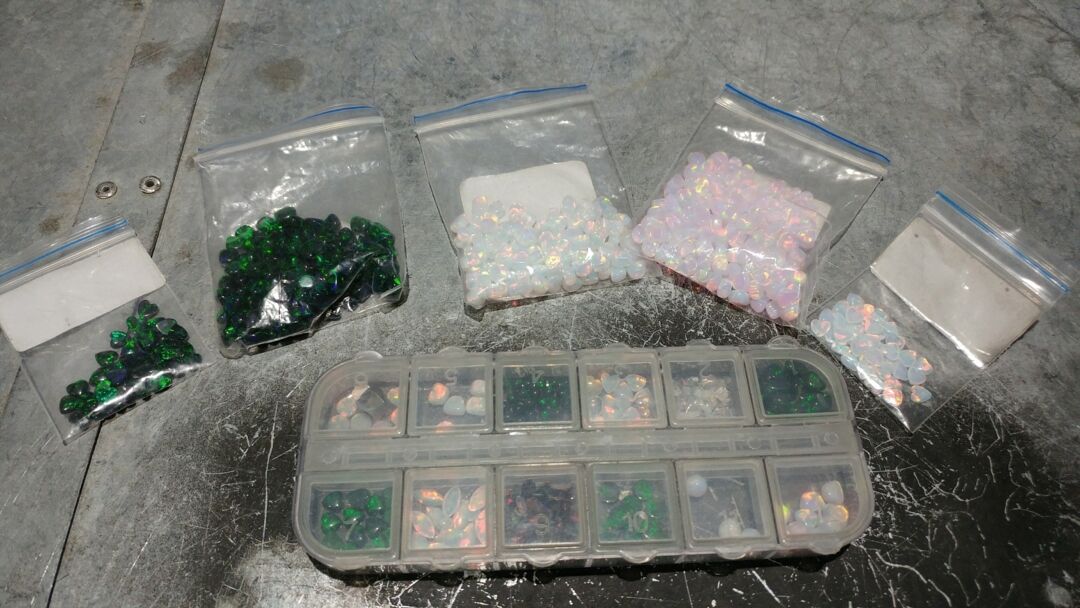
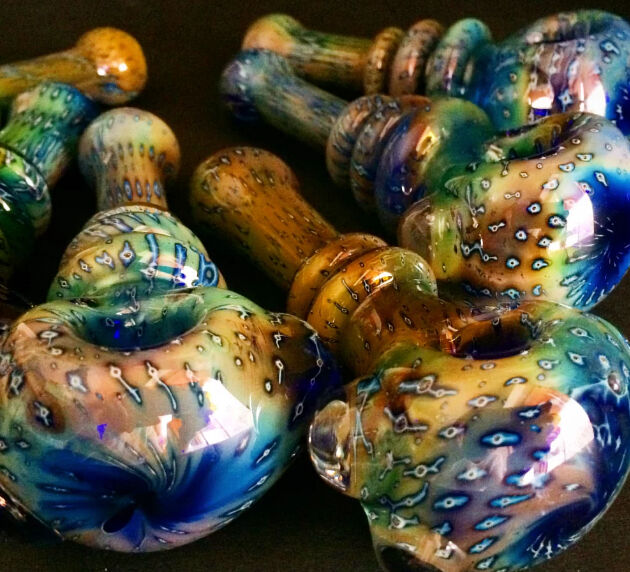
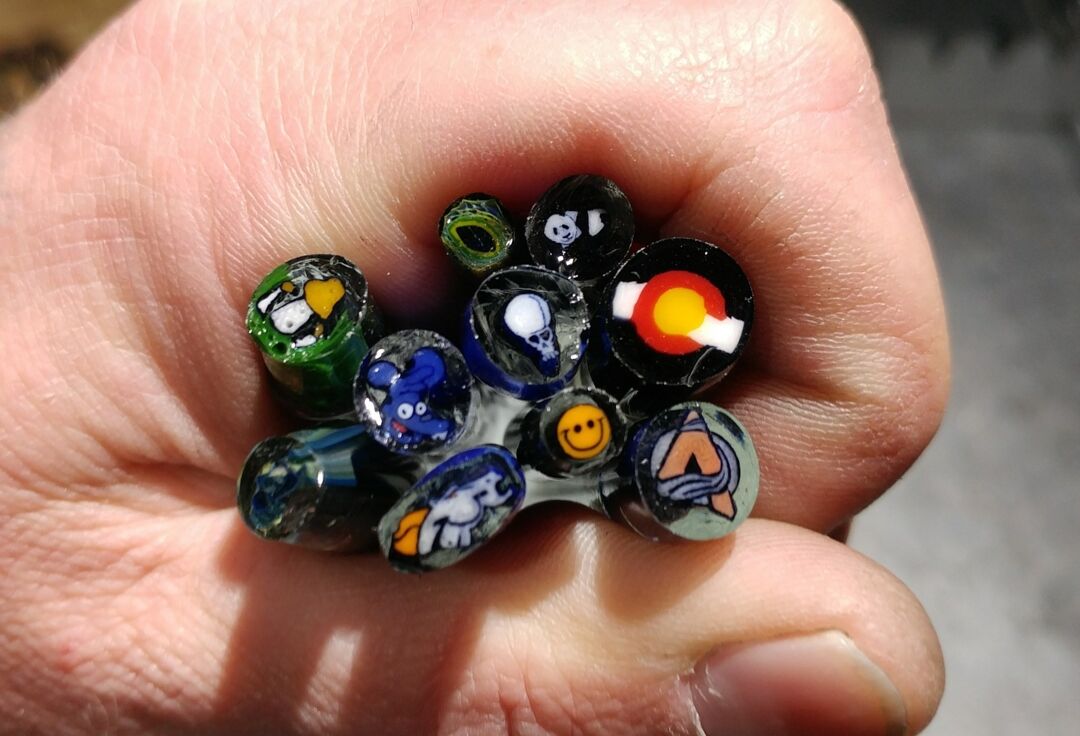
The opals in pipes are synthetic Gilson opals. Real opals will crack.
OPALS-
Opal is one of the world’s most beautiful and precious gemstones, predominantly found in Australia. It is one of only six types of precious gemstones found on planet earth, sharing prestigious company with diamonds, rubies, sapphires, emeralds, and pearls. You can not use a natural opal in glass. You must use a created opal called a Gilson Opal. The term, “laboratory-grown” means that our products faithfully mirror Mother Nature’s opal. Gilson-Created™ Opals have virtually identical chemical, physical and optical properties as do their naturally-occurring counterparts. The exception is that our lab-grown products are harder and more durable than most of those from nature. We no longer produce Gilson Created opal varieties in rough, uncut volumes, loose stone assortments and in fine jewelry designs. So, if technology is your fascination, beauty and affordability your pursuit…have a look. Click here to learn more about natural opals.
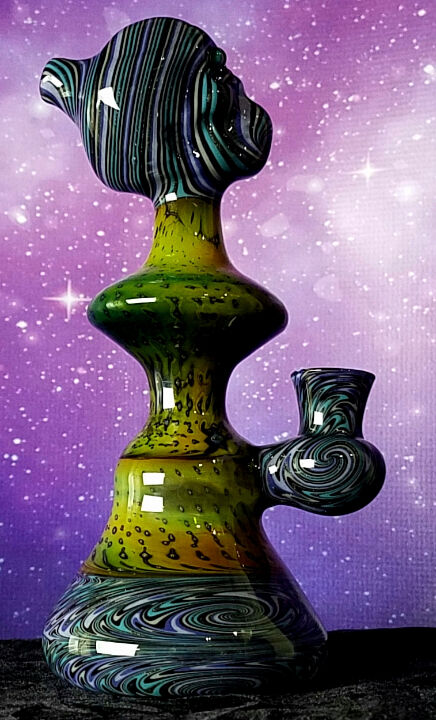
One of the more basic yet when done right can be just amazing! This technique gives the glass like a scallop effect of dragging effect.
WRAP-
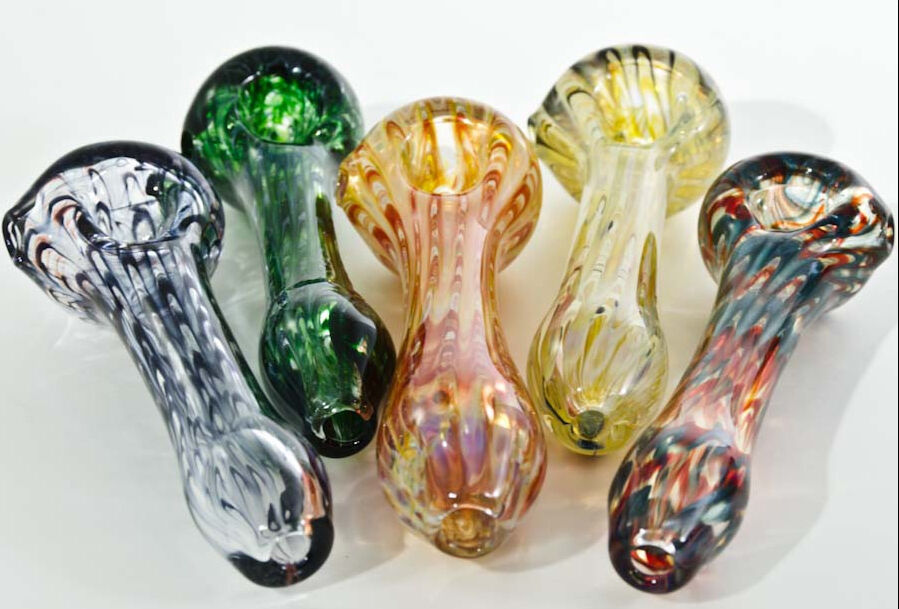
– This part of the technique is what will give the underlying pasterns and colors. You will take a warm piece of glass, the hotter the better so the colored glass will stick to it. You can also fume the glass and wrap with clear or any color for that mater. To wrap the glass you must develop a technique of spinning the hot glass while taking a stringer off the clear or colored rod of glass. The faster you spin the thinner the stringer lines, the slower the thicker the stringer lines will be. Once you have it wrapped I like to heat up the color or clear stringers that wrap the glass and paddle them slightly to the glass to make sure they are sticking good.
RAKE-
– This is the second part of the technique that will give the wrap the near effect. Mostly I use a clear 5mm rod for this, but you can use nearly any color, while transparent tend to give the best effect. To start the rake process you will pre heat the glass rod you will be using to rake. Then heat up a line on the glass you wrapped. Once you have the line heated you will run the flame at an angle so that you just slightly hit the wrapped glass while pulling the clear through the wrapped glass. This is what make the pulling effect as you will pull the clear through the spun color. Repeat this over and over. You can go close next the the prior rake, or you can go further away. You can even rake towards you, then rake away. There are a ton of things you can do with this technique and never seems to get old.
Terpenes are a large class of organic hydrocarbons; they are the part of a cannabis plant that gives cannabis its fragrant aroma. In the form of an oily, fragrant-laced substance, terpenes are secreted from the cannabis flower’s resin glands. The smelly terpenese substance produced by the marijuana plant is used to repel predators and attract beneficial pollinating insects.
When ingested either orally or inhaled as a smoke, terpenes bind to the person’s brain receptors in a similar fashion as the plant’s cannabinoid tetrahydrocannabinol (THC). It is believed that a combination of the cannabis plant’s cannabinoids and the terpenes work together to create the psychoactive ‘high’ reaction. Because terpenes provide the marijuana plant with its telltale aroma, they contribute widely to its aromatherapy applications.
Terpenes should not be confused with terpenoids. Terpenoids are terpenes that have been denatured by oxidation during the drying and curing process of the flowers, or otherwise chemically modified.
More Info on Terpenes
Terpenes have been found to alleviate stress when ingested or smoked. They also appear to aid in sleeping and promote a more acute mental awareness. The aromatic quality of terpenes in the cannabis plant also appeals to connoisseurs of the plant by elevating its desirability, much like the smell of wine or a fine cigar heightens the item’s appeal.
Currently, many strains of cannabis are now being developed to elevate or modify the terpenes of the plant and create more distinct and pleasing aromas. Plus, scientists are working to discover the medicinal benefits of certain terpenes and how they co-exist with the plant’s cannabinoids to create an even more diverse mental and physical reaction.
It should be noted that terpenes are not exclusive to cannabis plants. In fact, they are produced by a variety of plants, especially conifers.
Cannabinoids are the chemical compounds of cannabis that have an effect on the human body when the plant is consumed. The human body has cannabinoid receptors that help the compound produce many effects, including pain relief.
There are between 85 and 113 known and suspected cannabinoids present in marijuana, each having various effects on the body. Cannabinoids are separated by various subclasses, including cannabigerols (CBG), Cannabichromenes (CBC), Cannabidiols (CBD), tetrahydrocannabinols (THC), Cannabinol (CBN), and cannabinodiol (CBDL).
There are also other cannabinoids such as cannabicyclol (CBL), cannabielsoin (CBE), cannabitriol (CBT), and other miscellaneous types.
More Info
The most commonly known cannabinoid present in cannabis is THC. THC is what produces the psychoactive effect, or the “high”, that makes it popular for recreational use.
Interestingly, when THC is exposed to air, it forms CBN as it oxidizes, which is less psychoactive and reduces the effects of the THC. For this reason, marijuana should be stored in a sealed container.
Other cannabinoids have other effects on humans that are being found to be beneficial for medical use. This includes for pain and nausea relief, mental health relief, and cancer reductions. Because of the relaxing effect of some cannabinoids, marijuana is also used to treat PTSD and other stress-related illnesses.
The difference between the cannabinoids lie with the extent of the psychological effects they produce. For example, CBG, CBC, and CBD are not known to produce any effect at all, whereas THC, CBN, CBDL and some other cannabinoids produce some psychological effects, but to varying degrees and intensities.
The most abundant cannabinoid is probably CBD, which contributes up to 40 per cent of cannabis resin. CBD is believed to have some anti-anxiety effects and lessen the psychoactive effects of THC, so cannabis varieties (strains) that have a greater percentage of CBD lower the intensity of the high.
Conversely, cannabis with less CBD can produce a better high and may actually reduce unwanted effects like anxiety.
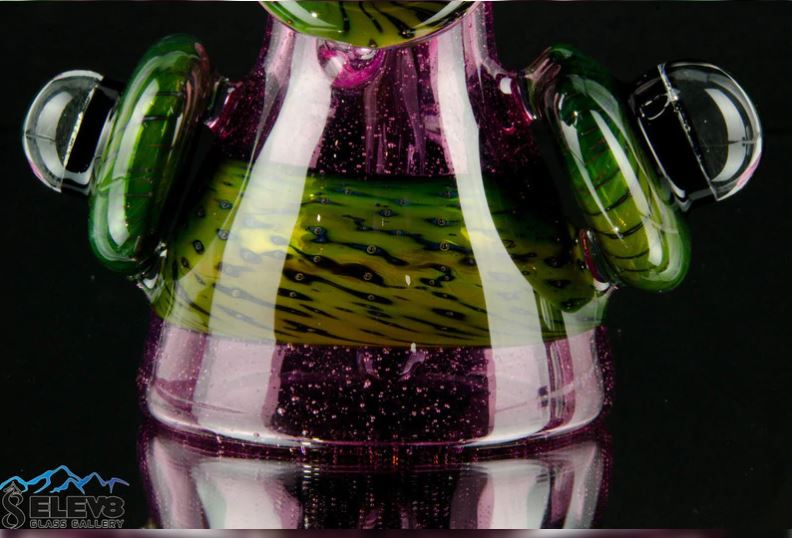
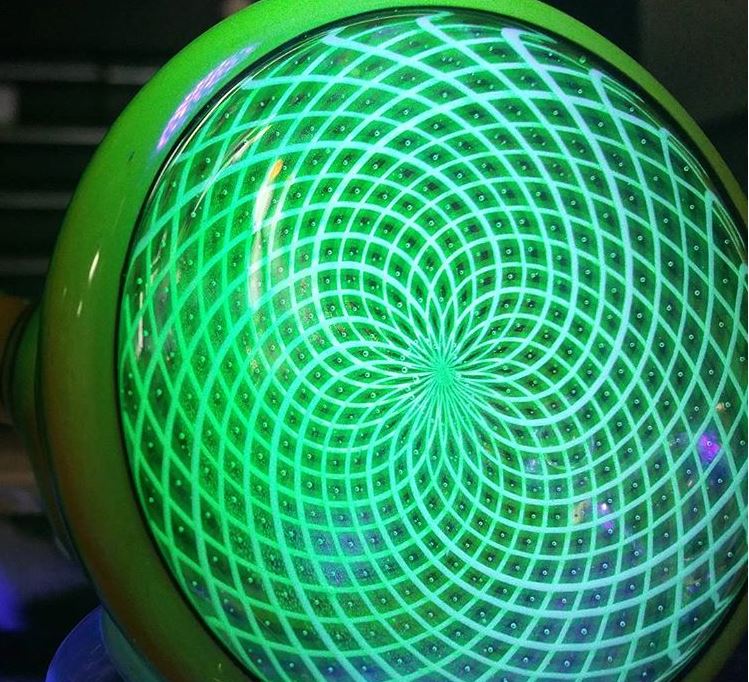
The bubble trap technique is when the glassblowing artist traps bubbles in the glass. When done properly the bubbles can form lines and can look very nice. Sometimes the bubbles are put in between ratachello line work. Bubble trap can be done in many ways. The blower can push dents into the glass and then put glass on top of that dent making a bubble. The can also use a frog to get a bunch of dents in a pattern, or they can sleeve glass with dents to get bubbles. A glass artist can also use stringers and the sleeving technique to trap air.
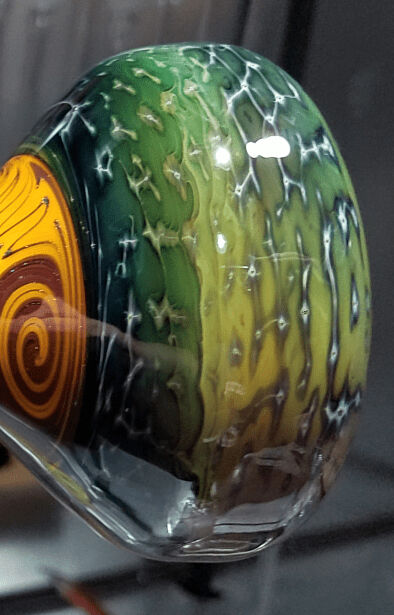
This is a very neat technique we love here at Elev8 Premier. There are a lot of names for this. Its a form of bubble trap, sleeving and fuming. What is alien skin to us – WOW is how this makes us feel when we see it, so it must be out of this world. How it sometimes made is a dark tube, maybe jet black is used. Sometimes a blower will make their won coil pot tube. Once the blower has the colored tube they will roll it on a frog or take a knife and put lines into it. Then the blower will fume the glass with silver and or gold. We prefer to get that perfect fume of silver mixed with gold to get that amazing green color. Once you have this the blower takes it and puts it inside a clear tube of glass and then removes the air around it. This traps small air bubbles in the glass, hence why we call it bubble trap also.
This all depends on the skill set of the blower. A newbie will take maybe 15 and the pipe will look like crap. A good blower can wing one out in 8 and look amazing. Now this also depends on how thick the glass is as thinner is way faster.
When you look at glass its not how long it took to make it for that piece. But when Steve makes a piece it took him 15 years to do it.
A combination of the Italian words “mille” (thousand) and “fiori” (flowers). Milli by a blower – Ok so all those picture chips, those are what we call millies. They started long ago with basic shapes turned to flowers. Now the technique is used to make all kinds of pictures. This is a very very time consuming technique. Lauren Stump is one of the greatest milli makers of our time.